
Laboratory Innovation through Scientific Accuracy
Advancing Clinical Laboratory Innovation Through Collaboration, Scientific Excellence and Regulatory Progress
Clinical laboratories play an essential role in modern healthcare by delivering reliable diagnostic information that supports medical decisions, patient management and improved health outcomes. As diagnostic technologies continue to evolve and regulatory expectations become increasingly demanding, laboratories need innovative approaches that combine scientific expertise, operational efficiency and regulatory awareness.
Our mission is to empower clinical laboratories through collaborative development, shared resources and strategic scientific initiatives. By bringing laboratory professionals, biotechnology specialists and diagnostic innovators together, we help create opportunities to advance laboratory-developed tests and expand access to high-quality diagnostic solutions.
Through a collaborative approach to assay development, regulatory preparation and scientific innovation, we support laboratories seeking to strengthen their diagnostic capabilities and adapt to an evolving healthcare environment.

Building a Collaborative Future for Clinical Diagnostics
Innovation in clinical diagnostics requires more than scientific discovery. It depends on cooperation between laboratory professionals, technical experts, regulatory specialists and organizations capable of transforming promising diagnostic concepts into practical testing solutions.
Our collaborative framework encourages clinical laboratories to participate in shared development initiatives, identify unmet diagnostic needs and contribute to projects that can benefit the wider laboratory community.
By pooling financial resources, technical knowledge and professional experience, participating laboratories can approach complex diagnostic development projects through a more coordinated model.
Our approach focuses on:
Collaborative assay development: Supporting the development of innovative diagnostic tests based on the needs and priorities of clinical laboratories.
Shared financial resources: Encouraging laboratories to participate in collective funding initiatives that distribute development costs among interested participants.
Regulatory preparation: Facilitating access to specialized expertise in regulatory requirements, documentation and diagnostic test development.
Scientific assessment: Promoting structured evaluation, analytical performance assessment and appropriate validation strategies.
Laboratory networking: Connecting accredited clinical laboratories with biotechnology organizations and technical partners.
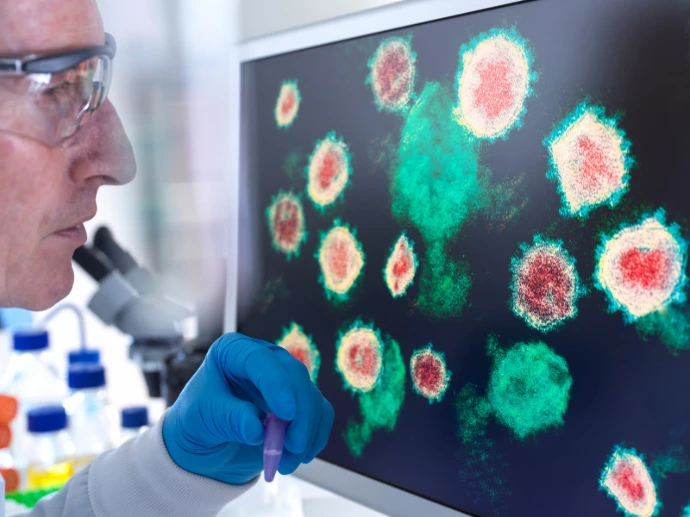
Advancing Laboratory-Developed Tests
Laboratory-developed tests represent an important component of modern diagnostic medicine. They allow clinical laboratories to address specific testing requirements, particularly when existing commercial solutions do not adequately meet particular clinical or analytical needs.
However, developing and maintaining these tests requires scientific resources, technical expertise, appropriate documentation and an understanding of applicable regulatory expectations.
We support initiatives designed to help clinical laboratories navigate the different stages of diagnostic test development, from identifying testing needs to evaluating analytical performance and preparing the necessary regulatory documentation. Learn more
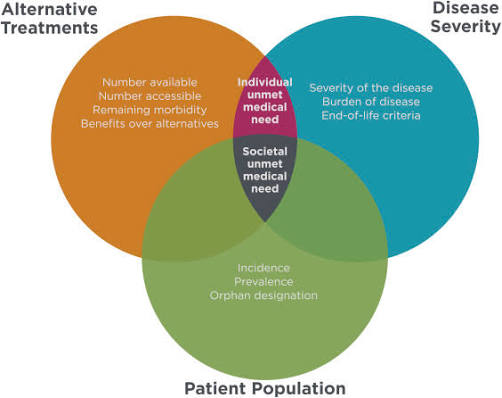
Identifying Unmet Diagnostic Needs
The development of a successful diagnostic assay begins with understanding the clinical and laboratory requirements behind a particular testing application.
Laboratory professionals can contribute their practical experience to identify diagnostic gaps, prioritize potential projects and determine which testing solutions would provide meaningful value to clinical practice.
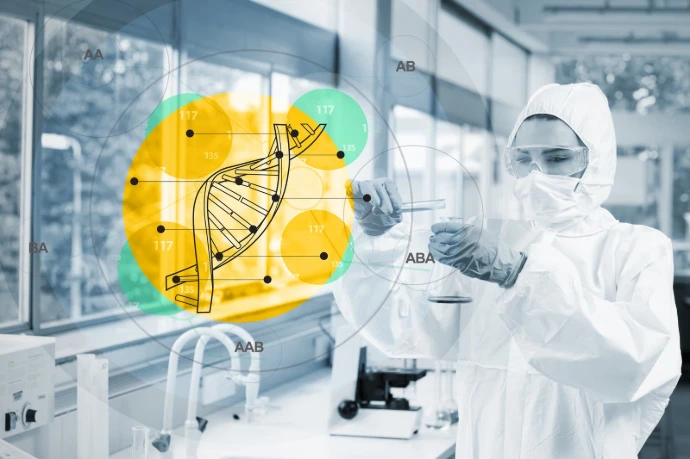
Supporting Assay Development
The development process involves several interconnected activities, including analytical method selection, assay optimization, technical assessment and performance evaluation.
Access to specialized scientific and technical expertise helps laboratories approach these activities through a structured development strategy.

Strengthening Analytical Validation
Analytical validation is essential for establishing the performance characteristics of diagnostic methods. Depending on the intended application, relevant considerations may include analytical sensitivity, specificity, precision, reproducibility, accuracy and detection limits.
A systematic evaluation of these characteristics contributes to reliable laboratory processes and supports the preparation of appropriate technical documentation.

Facilitating Regulatory Progress
Regulatory requirements for diagnostic testing continue to evolve. Laboratories must understand the applicable frameworks, documentation expectations and regulatory pathways associated with their testing activities.
Through specialized partnerships and coordinated development initiatives, we encourage laboratories to access the expertise required to address these challenges.
A Shared Funding Model for Diagnostic Innovation
The financial and technical requirements associated with diagnostic assay development can represent significant challenges, particularly for independent clinical laboratories.
A collaborative funding model offers an alternative approach by allowing interested laboratories to share the costs and resources associated with developing new diagnostic solutions.
Rather than approaching each development project independently, participating laboratories can contribute to a common initiative that supports a shared scientific objective.
How Collaborative Funding Works
1. Project Identification
Clinical laboratories identify diagnostic needs and propose new testing solutions based on their professional experience and operational requirements.
2. Laboratory Participation
Interested laboratories evaluate proposed projects and determine whether they wish to participate in the development initiative.
3. Financial Contributions
Participating organizations pledge financial support to help cover the technical, scientific and regulatory expenses associated with the selected project.
4. Coordinated Development
Specialized partners contribute their expertise to assay development, analytical assessment, regulatory preparation and other necessary activities.
5. Regulatory Advancement
The development process progresses through the relevant technical and regulatory stages, with the objective of obtaining the appropriate regulatory authorization or clearance when required.

Specialized Expertise Across the Diagnostic Development Process
Successful diagnostic development requires complementary capabilities. Scientific research, regulatory strategy, analytical assessment and operational coordination must work together to support the development of reliable testing solutions.
Our collaborative network brings together specialized organizations offering expertise in different areas of the diagnostic development process.learn more
Regulatory Strategy and Compliance
Regulatory expertise is essential when developing diagnostic assays intended for clinical laboratory use.
Specialized support can include regulatory communications, interpretation of applicable requirements, documentation preparation, assay optimization and clinical trial management.
A structured regulatory strategy helps laboratories understand the technical and administrative considerations associated with bringing new diagnostic tests through the appropriate regulatory pathways.
Assay Development and Technical Assessment
The development of diagnostic assays involves translating scientific concepts into analytical methods suitable for their intended applications.
Technical activities may include assay design, optimization, analytical performance assessment, documentation and preparation for subsequent manufacturing or implementation stages.
Laboratory Recruitment and Operational Support
Successful collaborative initiatives also depend on effective organization and access to qualified professionals.
Recruitment support, technical coordination and organizational services can help participating laboratories establish the operational foundations needed to contribute to shared scientific projects.
Supporting CAP and COLA-Accredited Clinical Laboratories
Accredited clinical laboratories operate within established quality frameworks designed to support reliable testing practices, professional accountability and consistent laboratory performance.
Maintaining these standards while adapting to new diagnostic technologies requires ongoing scientific development and an understanding of regulatory expectations.
Our initiatives are designed to support clinical laboratories, particularly those operating within CAP and COLA accreditation environments, as they explore opportunities to develop new assays and strengthen their diagnostic capabilities.
We encourage laboratory professionals to participate in collaborative initiatives that address common testing challenges and promote the development of innovative diagnostic solutions.
Supporting Laboratory Quality
Quality considerations should be integrated throughout the diagnostic development process.
Important elements include:
Appropriate analytical methods and testing procedures.
Consistent documentation and traceability.
Structured assay performance evaluation.
Reproducibility and analytical reliability.
Alignment with applicable regulatory and quality requirements.
Continuous assessment of diagnostic performance.
By emphasizing these principles, collaborative development initiatives can contribute to stronger laboratory practices and more consistent diagnostic processes.


Driving Innovation Through Strategic Partnerships
Scientific progress is accelerated when organizations with complementary expertise work toward shared objectives.
Our collaborative approach connects clinical laboratories with specialized biotechnology and diagnostic development organizations capable of contributing to different stages of the assay development process.
These partnerships provide access to expertise that may be difficult or costly for individual laboratories to maintain independently.
Through coordinated scientific and operational contributions, partners can help address the technical, regulatory and organizational challenges associated with diagnostic innovation.
We value partnerships that encourage:
Scientific cooperation and knowledge exchange.
Development of clinically relevant diagnostic assays.
Access to specialized regulatory expertise.
Improved coordination of technical activities.
Responsible allocation of financial resources.
Long-term progress in clinical laboratory testing.
Addressing the Evolving Regulatory Landscape
The regulatory environment surrounding laboratory-developed tests is an important consideration for clinical laboratories operating in the United States.
Changes in regulatory expectations can influence how laboratories develop, document, evaluate and maintain their testing methods.
Understanding these developments is essential for organizations seeking to preserve their ability to provide specialized diagnostic services while maintaining appropriate compliance practices.
A proactive approach to regulatory preparation involves understanding applicable requirements, identifying documentation needs and accessing the right technical expertise.
Our collaborative model encourages laboratories to approach regulatory challenges collectively and explore opportunities to share the resources required for diagnostic development and regulatory advancement.
The Importance of Scientific Collaboration in Modern Healthcare
The future of clinical diagnostics depends on the ability of laboratory professionals to work together, exchange knowledge and develop solutions that respond to changing healthcare needs.
Independent laboratories often possess valuable scientific experience and a detailed understanding of specific diagnostic requirements. When this expertise is combined through coordinated initiatives, it can create opportunities for broader innovation.
Collaboration also allows laboratories to participate in projects that may otherwise require substantial individual investments.
By encouraging shared responsibility and strategic cooperation, we aim to contribute to a more connected diagnostic ecosystem in which scientific expertise and collective resources support meaningful progress.

Why Participate in Collaborative Diagnostic Initiatives?
Joining a collaborative development initiative can provide clinical laboratories with opportunities to contribute to scientific projects while sharing the resources and expertise required to advance diagnostic testing.
Access to Specialized Expertise
Benefit from collaboration with organizations experienced in assay development, regulatory preparation, technical assessment and diagnostic innovation.
Shared Development Costs
Participate in a funding approach that distributes project-related financial commitments among interested laboratories.
Greater Scientific Participation
Contribute to the identification of diagnostic needs and the development of testing solutions relevant to clinical laboratory practice.
Regulatory Awareness
Gain access to specialized knowledge that can help laboratories understand evolving regulatory expectations.
Professional Networking
Establish connections with other clinical laboratories, biotechnology specialists and organizations involved in diagnostic development.
Long-Term Diagnostic Development
Support initiatives focused on creating and advancing new diagnostic assays for future laboratory applications.

Frequently Asked Questions
What are laboratory-developed tests?
Laboratory-developed tests are diagnostic tests developed by individual clinical laboratories for use within their testing environments. Their development involves appropriate scientific evaluation, analytical performance assessment and compliance with applicable regulatory requirements.
Why is collaborative assay development important?
Collaborative development allows laboratories to combine scientific expertise, technical resources and financial contributions. This approach can make complex diagnostic development initiatives more accessible to participating organizations.
How does the shared funding model work?
Interested laboratories can identify diagnostic projects, evaluate their potential value and pledge financial contributions. These resources are pooled to support the development and advancement of selected diagnostic assays.
Which laboratories can participate?
The initiatives are particularly relevant to CAP and COLA-accredited clinical laboratories interested in diagnostic innovation, laboratory-developed testing and collaborative scientific development.
What types of expertise are involved in diagnostic assay development?
Depending on the project, expertise may include assay design, analytical validation, regulatory strategy, technical documentation, clinical trial management and preparation for manufacturing.
Why is regulatory preparation important?
Regulatory preparation helps laboratories understand applicable requirements and establish the technical documentation and assessment processes needed to advance diagnostic tests through the relevant regulatory pathways.