
Building Strategic Partnerships for Clinical Laboratory Innovation
Effective partnerships are essential for transforming diagnostic concepts into practical laboratory applications. Clinical laboratories often possess valuable experience in specialized testing, while external development organizations can provide complementary expertise in assay design, analytical technologies and regulatory preparation.
Bringing these capabilities together creates opportunities for more efficient project development and stronger scientific cooperation.
Our partnership approach focuses on establishing connections between organizations that share an interest in advancing clinical diagnostics.
Connecting Independent Clinical Laboratories
Independent clinical laboratories play an important role in healthcare by providing specialized testing services and responding to specific diagnostic requirements.
However, developing new assays independently may require considerable investment in equipment, personnel, materials and technical expertise.
Collaborative partnerships allow laboratories to exchange knowledge, identify common testing challenges and participate in shared development initiatives.
Integrating Biotechnology Expertise
Biotechnology organizations contribute specialized capabilities in molecular biology, immunoassay development, analytical chemistry and diagnostic technologies.
Their participation can support different stages of assay development, from initial method selection to optimization and performance assessment.
Access to this expertise helps clinical laboratories explore new testing approaches and evaluate technologies that may not be readily available within their existing infrastructure.
Establishing Regulatory and Technical Partnerships
Regulatory preparation is another important component of diagnostic development.
Specialized consultants can help laboratories understand applicable regulatory requirements, organize technical documentation and evaluate the necessary steps for advancing a diagnostic method.
Coordinated collaboration between scientific and regulatory professionals supports a more structured development process.
Collaborative Funding for Diagnostic Assay Development
Financial resources are an important consideration when developing new clinical diagnostic tests. Research activities, technical assessments, specialized equipment and regulatory preparation can generate costs that are difficult for individual laboratories to manage independently.
A collaborative funding model provides an alternative approach by allowing multiple interested laboratories to contribute to a shared development project.
Rather than financing an entire initiative independently, participating organizations can distribute agreed development expenses according to a defined funding structure.
How Shared Funding Initiatives Work
1. Identification of a Diagnostic Opportunity
A clinical laboratory identifies an unmet testing need or an opportunity to improve an existing diagnostic method.
The proposed project is evaluated according to its scientific rationale, intended application and potential relevance to other laboratories.
2. Project Presentation
The development initiative is presented to interested laboratories and potential partners.
The presentation should describe the scientific objectives, technical requirements, anticipated development activities and preliminary financial considerations.
3. Laboratory Participation
Interested laboratories assess the proposed initiative and determine whether they wish to participate.
Participation arrangements should establish the responsibilities, expected contributions and conditions applicable to each organization.
4. Financial Contribution and Resource Allocation
Participating laboratories contribute to the agreed funding structure.
Financial resources are allocated to the relevant project activities, which may include assay development, analytical assessment, technical documentation and regulatory preparation.
5. Coordinated Scientific Development
Specialized development partners undertake the technical activities required to advance the diagnostic project.
Participating laboratories may contribute scientific feedback, technical knowledge and practical experience throughout the development process.
6. Performance Assessment and Regulatory Preparation
The developed assay undergoes appropriate analytical evaluation and documentation activities.
Depending on its intended use and applicable regulatory framework, additional validation, verification or regulatory steps may be required.

Supporting the Development of Laboratory-Developed Tests
Laboratory-developed tests are important tools for clinical laboratories seeking to address specialized diagnostic requirements.
They may be particularly relevant when available commercial testing solutions do not adequately meet a specific analytical or clinical need.
Developing these methods requires a structured process that integrates scientific design, technical optimization, performance evaluation and quality management.
Diagnostic Needs Assessment
The first step involves defining the clinical question and identifying the biological target or analytical parameter to be measured.
Laboratories must consider the intended testing population, sample characteristics, expected analytical performance and practical requirements of the proposed method.
Analytical Method Selection
The appropriate analytical technology depends on the characteristics of the target analyte and the intended diagnostic application.
Potential technologies include:
Polymerase chain reaction and quantitative PCR.
Enzyme-linked immunosorbent assays.
Immunoassay technologies.
Chromatographic techniques.
Flow cytometry.
Molecular sequencing.
Specialized biochemical methods.
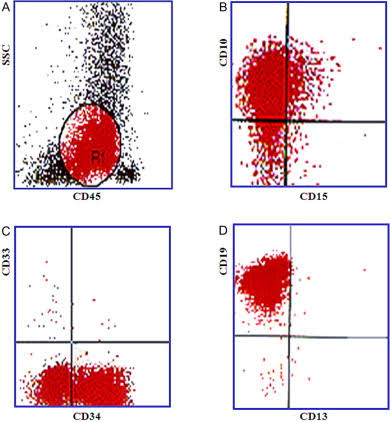
Selecting an appropriate method is essential for establishing a reliable development strategy.

Assay Optimization
Assay optimization involves evaluating analytical conditions and adjusting relevant parameters to improve method performance.
Activities may include reagent selection, calibration, sample preparation, reaction conditions and assessment of potential interferences.
Analytical Performance Evaluation
A diagnostic method must undergo appropriate analytical evaluation before implementation.
Depending on its intended application, relevant characteristics may include:
Accuracy and precision.
Analytical sensitivity and specificity.
Reproducibility.
Limit of detection.
Measuring range.
Analytical interference.
Stability and robustness.
Regulatory Support and Diagnostic Compliance
Regulatory considerations influence the development, evaluation and implementation of clinical diagnostic methods.
Laboratories operating in the United States must understand the applicable requirements associated with their testing activities, including relevant CLIA requirements and FDA regulations where applicable.
Regulatory obligations depend on the nature of the test, its intended use and the specific legal framework governing its development and application.
Understanding CLIA Requirements
The Clinical Laboratory Improvement Amendments establish federal quality standards for applicable laboratory testing performed on human specimens.
These requirements address several important operational areas, including:
Laboratory personnel qualifications.
Quality control procedures.
Proficiency testing.
Testing methodologies.
Equipment and calibration.
Documentation and record management.
Quality assurance activities.
Understanding these requirements is important when developing and introducing new diagnostic methods.
FDA Regulatory Considerations
The Food and Drug Administration regulates medical devices, including in vitro diagnostic products, under applicable federal requirements.
Laboratory-developed tests have been subject to significant regulatory and legal developments in the United States.
Laboratories should therefore assess the current regulatory framework applicable to their specific activities and obtain appropriate professional guidance when necessary.
Regulatory Documentation and Technical Preparation
Documentation supports the transparency, traceability and scientific assessment of diagnostic development activities.
Depending on the project, relevant documentation may include assay development records, analytical performance studies, standard operating procedures, risk assessments and quality management records.
A structured documentation strategy helps participating organizations coordinate their responsibilities and maintain appropriate technical information throughout development.
Quality Management Across Collaborative Projects
Quality management is essential for maintaining the reliability and consistency of diagnostic testing.
Collaborative development initiatives must integrate quality considerations into their scientific, technical and operational activities.
Standardized Laboratory Procedures
Standard operating procedures provide documented instructions for performing laboratory activities consistently.
They help define analytical conditions, sample handling procedures, equipment requirements and quality control practices.
Equipment and Reagent Management
Analytical performance can be influenced by equipment condition, calibration, reagent quality and storage conditions.
Appropriate maintenance and material management are therefore important components of reliable laboratory operations.
Personnel Training and Technical Competence
Qualified personnel are essential for implementing diagnostic methods correctly.
Training programs and competency assessments help ensure that laboratory professionals understand the analytical procedures and quality requirements associated with their responsibilities.
Continuous Performance Monitoring
Quality monitoring helps identify analytical deviations and opportunities for improvement.
Depending on the method, this may involve internal quality control, external proficiency testing, periodic reviews and corrective actions.
Partnership Opportunities for CAP and COLA-Accredited Laboratories
Clinical laboratories operating under accreditation programs may benefit from opportunities to collaborate on specialized diagnostic development projects.
The College of American Pathologists and the Commission on Office Laboratory Accreditation are recognized organizations involved in clinical laboratory accreditation and quality standards.
Accreditation requirements help establish structured expectations for laboratory operations, personnel competence, testing procedures and quality management.
Collaborative initiatives can provide opportunities for accredited laboratories to explore new testing methods while considering their existing quality systems and applicable regulatory obligations.
Supporting Existing Laboratory Capabilities
Participating laboratories can contribute their experience in specific diagnostic areas and help identify opportunities for new testing applications.
Expanding Access to Technical Expertise
Partnerships with specialized organizations can provide access to assay development capabilities and technical knowledge that may not be available within individual laboratories.
Encouraging Quality-Oriented Development
Integrating quality management into development activities helps establish appropriate procedures for analytical assessment, documentation and ongoing performance monitoring.
Frequently Asked Questions
What is collaborative diagnostic development?
Collaborative diagnostic development is an approach in which clinical laboratories and specialized organizations work together to develop, evaluate and advance diagnostic testing methods through shared expertise and resources.
Why are laboratory partnerships important?
Laboratory partnerships allow organizations to combine scientific knowledge, technical capabilities and financial resources. This can help address development challenges and create opportunities for specialized diagnostic innovation.
How does shared funding support diagnostic development?
Shared funding allows multiple participating laboratories to contribute to the costs of a common project. Contributions can support assay development, technical assessment, documentation and other agreed activities.
What types of laboratories can participate?
Clinical laboratories interested in specialized diagnostic testing, laboratory-developed assays and scientific collaboration may be suitable participants, depending on the objectives and requirements of each initiative.
What expertise is required to develop a diagnostic assay?
Diagnostic development may require expertise in molecular biology, analytical chemistry, immunology, assay design, analytical validation, quality management and regulatory affairs.
What is the role of analytical validation?
Analytical validation evaluates the performance characteristics of a diagnostic method and provides evidence supporting its suitability for the intended analytical application.
How do regulatory requirements affect laboratory-developed tests?
Regulatory requirements influence how diagnostic methods are developed, documented, evaluated and implemented. The applicable obligations depend on the jurisdiction, testing activities and specific characteristics of the assay.
Can independent laboratories benefit from collaborative projects?
Yes. Collaborative projects can provide independent laboratories with opportunities to access specialized expertise, share development costs and participate in scientific initiatives that may otherwise require substantial individual investment.