
Introduction: The Growing Importance of Collaborative Diagnostic Innovation
Clinical diagnostics have become an essential component of modern healthcare, providing the scientific information required to support disease detection, patient monitoring and medical decision-making. As healthcare systems evolve, clinical laboratories face increasing expectations regarding analytical accuracy, testing reliability, regulatory compliance and the availability of specialized diagnostic methods.
Scientific innovation is particularly important in areas where conventional commercial testing solutions do not adequately address specific clinical requirements. Laboratory-developed tests offer opportunities to investigate specialized diagnostic needs, but their development can involve considerable financial investment, technical expertise and regulatory preparation.
For many independent clinical laboratories, managing all these requirements individually can be challenging. Collaborative scientific innovation provides an alternative approach by bringing together laboratory professionals, biotechnology specialists, regulatory experts and financial contributors.
Through shared resources, coordinated development strategies and scientific partnerships, laboratories can participate in initiatives designed to advance diagnostic technologies and improve access to specialized testing solutions.
1. Understanding the Evolution of Clinical Diagnostics
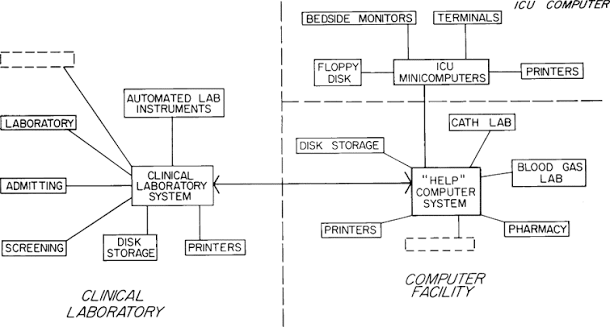
Clinical diagnostics have undergone significant changes through the introduction of advanced analytical technologies, molecular biology techniques, automated testing platforms and improved laboratory information systems.
Traditional diagnostic methods remain important, but modern healthcare increasingly requires more specialized approaches capable of detecting complex biological characteristics and supporting precise clinical investigations.
1.1 The Development of Advanced Diagnostic Technologies
Technological progress has expanded the range of analytical methods available to clinical laboratories. Molecular diagnostics, immunoassays, genetic testing and advanced biochemical techniques have created new possibilities for identifying biological markers and investigating disease-related processes.
These technologies allow laboratories to address increasingly specific testing requirements while improving the sensitivity, specificity and reproducibility of analytical procedures.
However, implementing advanced diagnostic methods requires appropriate equipment, qualified personnel, validated procedures and ongoing quality assessment.
1.2 Addressing Unmet Clinical Testing Needs
Not every diagnostic requirement can be addressed through an existing commercial assay.
Certain clinical applications involve rare conditions, specialized biomarkers or particular patient populations for which commercially available tests may be limited.
Laboratory-developed tests can help address these situations by allowing clinical laboratories to develop testing methods adapted to specific analytical and clinical requirements.
Identifying these unmet needs is an important first step toward meaningful diagnostic innovation.
1.3 The Role of Independent Clinical Laboratories
Independent clinical laboratories possess valuable practical experience in diagnostic testing. Their daily activities provide insight into analytical limitations, emerging clinical requirements and opportunities for improvement.
By participating in collaborative development initiatives, these laboratories can transform their operational experience into contributions to broader scientific projects.
2. Laboratory-Developed Tests: From Scientific Concept to Diagnostic Application
Laboratory-developed tests are diagnostic methods developed by clinical laboratories for use within their own testing environments.
Their development involves several scientific and technical stages, each contributing to the reliability and suitability of the final analytical method.
2.1 Identifying the Diagnostic Objective
Every development project should begin with a clearly defined testing objective.
Laboratories must determine which clinical question the proposed assay is intended to address, which biological target will be measured and what analytical performance characteristics are necessary.
This initial assessment helps establish the scientific rationale for the project and guides subsequent development activities.
2.2 Selecting the Appropriate Analytical Method
The choice of analytical technology depends on the biological target, sample characteristics, intended application and required performance.
Potential approaches include:
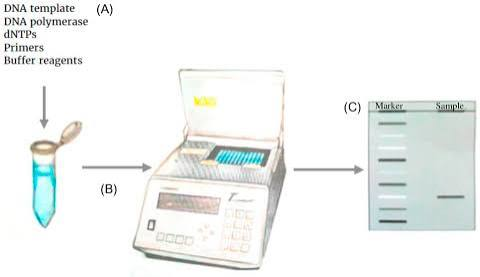
Polymerase chain reaction (PCR) and quantitative PCR (qPCR).
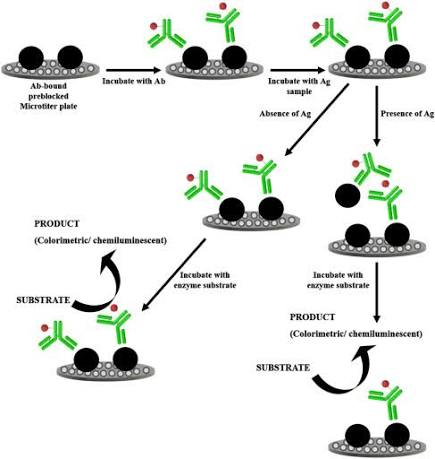
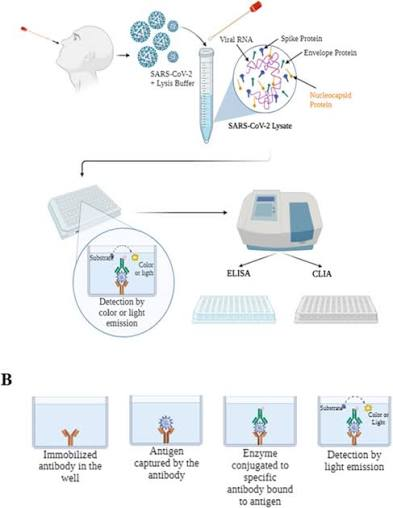
Enzyme-linked immunosorbent assays (ELISA).
Immunohistochemistry and immunoassay techniques.
Chromatographic analytical methods.
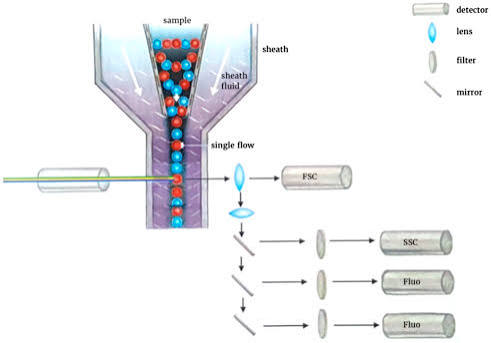
Flow cytometry.
Next-generation sequencing.
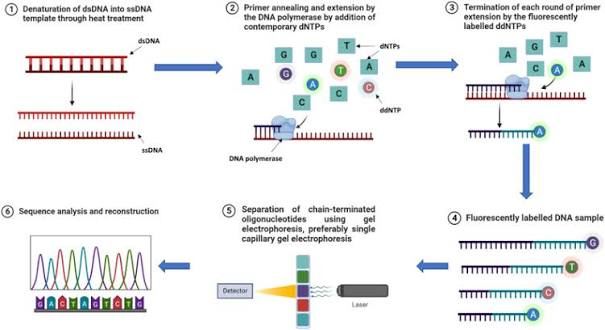
Specialized biochemical testing methods.
Each technique presents specific advantages and limitations that must be considered during assay design.
2.3 Assay Optimization and Development
Following method selection, the assay undergoes optimization to establish appropriate operating conditions.
This process may involve reagent selection, concentration adjustments, calibration procedures, sample preparation and evaluation of analytical conditions.
The objective is to develop a method capable of producing consistent and interpretable results under defined laboratory conditions.

2.4 Analytical Performance Evaluation
Analytical performance assessment is essential before introducing a diagnostic method into routine laboratory practice.
Depending on the assay and its intended application, important performance characteristics include:
Accuracy: The degree to which measured results correspond to an accepted reference or target value.
Precision: The consistency of results obtained through repeated measurements.
Analytical sensitivity: The ability of a method to detect small quantities of the target analyte.
Analytical specificity: The ability to measure the intended target without significant interference from other substances.
Reproducibility: The consistency of analytical results under different testing conditions, operators or laboratory environments.
Limit of detection: The lowest amount of an analyte that can be reliably detected using the established analytical procedure.
A structured evaluation of these characteristics contributes to the scientific reliability of diagnostic methods.
3. Shared Scientific Resources: A Collaborative Approach to Innovation
One of the major challenges associated with diagnostic assay development is the investment required to transform a scientific concept into a practical testing solution.
Individual laboratories may have limited access to specialized equipment, regulatory expertise or the financial resources necessary to support extensive development activities.
Collaborative scientific initiatives offer a framework through which multiple laboratories can contribute to common development objectives.
3.1 Combining Scientific Expertise
Different laboratories may possess complementary knowledge, technical capabilities and experience in specific diagnostic applications.
By connecting these organizations, collaborative initiatives encourage knowledge exchange and provide opportunities to address complex scientific questions through coordinated efforts.
This approach can also facilitate access to specialized expertise in assay design, analytical validation, regulatory strategy and technical documentation.
3.2 Distributing Development Costs
Diagnostic development projects can involve expenses related to research activities, laboratory materials, analytical equipment, specialized personnel and regulatory preparation.
A shared funding model allows interested laboratories to contribute financially to a common project rather than independently supporting the entire development process.
The financial structure should be clearly defined, including contribution arrangements, project objectives, responsibilities and the management of available resources.
3.3 Encouraging Long-Term Scientific Partnerships
Collaboration should extend beyond individual development projects.
Long-term partnerships can create opportunities for laboratories to exchange technical knowledge, identify new diagnostic requirements and participate in future scientific initiatives.
A structured partnership framework can also help establish clearer communication channels and improve coordination between participating organizations.
4. The Main Stages of Collaborative Diagnostic Development
A successful collaborative project requires an organized development strategy that connects scientific objectives with financial planning, technical activities and regulatory considerations.
Stage 1: Identification of a Diagnostic Need
Participating laboratories identify an unmet diagnostic requirement and evaluate its potential importance.
This stage involves defining the intended application, identifying existing testing alternatives and establishing the scientific rationale for developing a new assay.
Stage 2: Feasibility Assessment
The proposed project is evaluated to determine whether the intended diagnostic objective can be achieved using available scientific and technical resources.
Feasibility considerations may include:
Availability of appropriate analytical technologies.
Access to relevant biological samples.
Technical complexity.
Expected development costs.
Potential clinical applications.
Applicable regulatory requirements.
Stage 3: Laboratory Participation and Funding Organization
Interested laboratories review the proposed project and determine whether they wish to participate.
A collaborative funding arrangement can then be established, defining financial contributions, project responsibilities and the intended use of shared resources.
Stage 4: Technical and Scientific Development
Specialized teams undertake the necessary assay development activities.
These may include analytical method selection, reagent optimization, preliminary performance studies and preparation of technical documentation.
Stage 5: Analytical Validation and Quality Assessment
The developed method undergoes appropriate performance evaluation to establish whether it meets predefined analytical requirements.
The validation strategy should reflect the intended use of the assay and the applicable regulatory and quality framework.
Stage 6: Regulatory Preparation
The project progresses through the relevant regulatory assessment and documentation activities.
Depending on the applicable pathway, this may involve regulatory consultation, quality documentation, clinical evidence and additional performance studies.
Stage 7: Implementation and Continuous Monitoring
Following the necessary regulatory and quality assessments, the diagnostic method may progress toward implementation where appropriate.
Ongoing monitoring, quality control and periodic performance review remain important throughout its operational lifecycle.
5. Regulatory Considerations in Laboratory-Developed Testing
Regulatory compliance is a fundamental consideration in the development and use of clinical diagnostic methods.
In the United States, clinical laboratories must consider applicable requirements established by the Clinical Laboratory Improvement Amendments (CLIA), alongside other relevant federal and state requirements.
The regulatory framework for in vitro diagnostic products and laboratory-developed tests has also been subject to important developments.
5.1 Understanding the Role of CLIA
The CLIA program establishes quality standards for laboratory testing performed on human specimens for health assessment and disease diagnosis, prevention or treatment.
Clinical laboratories performing applicable testing activities must meet relevant requirements concerning personnel qualifications, quality systems, proficiency testing and analytical procedures.
Understanding these requirements is important when developing and implementing new testing methods.
5.2 FDA Regulatory Considerations
The United States Food and Drug Administration (FDA) regulates medical devices, including in vitro diagnostic products, under the applicable federal regulatory framework.
The regulatory treatment of laboratory-developed tests has been the subject of significant legal and policy developments.
Therefore, laboratories should evaluate the current legal status and applicable FDA requirements for their specific testing activities rather than assuming that all laboratory-developed tests follow an identical regulatory pathway.
5.3 The Importance of Regulatory Documentation
Appropriate documentation supports the scientific evaluation, traceability and quality management of diagnostic methods.
Depending on the applicable framework, documentation may include:
Assay design and development records.
Analytical performance studies.
Standard operating procedures.
Reagent and material specifications.
Quality control procedures.
Risk assessments.
Validation or verification reports.
Relevant regulatory communications.
Maintaining organized technical documentation contributes to transparency and supports laboratory quality activities.
6. Quality Management and Analytical Reliability
Quality management must be integrated into every stage of diagnostic development.
A reliable diagnostic method requires more than an appropriate analytical technology. It also depends on controlled procedures, qualified personnel, suitable equipment and consistent monitoring.
6.1 Quality Control Procedures
Quality control procedures help laboratories monitor analytical performance and identify potential deviations.
Depending on the testing method, these procedures may include internal controls, calibration materials, reference samples and periodic performance assessment.
6.2 Equipment and Reagent Management
Laboratory equipment and reagents can significantly influence analytical results.
Appropriate maintenance, calibration, storage conditions and reagent traceability are important considerations when establishing reliable testing procedures.
6.3 Personnel Competence and Training
Laboratory professionals must possess the technical knowledge and practical skills required to perform diagnostic procedures correctly.
Continuous training helps maintain professional competence and supports the consistent application of laboratory protocols.
6.4 Continuous Improvement
Quality management should be considered an ongoing process rather than a final development requirement.
Periodic reviews, corrective actions and performance monitoring can help laboratories identify opportunities for improvement and maintain reliable analytical operations.
7. The Importance of CAP and COLA Accreditation
Accreditation plays an important role in demonstrating the quality and operational competence of clinical laboratories.
Organizations such as the College of American Pathologists (CAP) and the Commission on Office Laboratory Accreditation (COLA) provide accreditation programs that support laboratory quality and professional standards.
For laboratories participating in collaborative diagnostic development, understanding accreditation requirements is particularly important.
7.1 Supporting Laboratory Quality Standards
Accreditation frameworks address important aspects of laboratory operations, including personnel qualifications, testing procedures, quality control, documentation and management responsibilities.
These elements provide a structured foundation for reliable diagnostic services.
7.2 Integrating New Diagnostic Methods
Introducing a new testing method requires appropriate evaluation and documentation.
Laboratories must determine which verification, validation, quality control and competency requirements apply to the specific method and its intended use.
7.3 Maintaining Consistent Performance
Ongoing quality assessment helps laboratories monitor testing performance and maintain established operational standards.
Collaboration with specialized technical and regulatory partners can support laboratories as they evaluate new diagnostic technologies.
8. Scientific Partnerships and the Future of Diagnostic Development
The increasing complexity of clinical diagnostics creates opportunities for partnerships between independent laboratories, biotechnology companies and specialized development organizations.
Each participant can contribute different capabilities to a common scientific objective.
8.1 Biotechnology and Diagnostic Development Organizations
Biotechnology specialists can provide expertise in assay design, molecular methods, reagent development and analytical technologies.
Their participation can help transform scientific requirements into structured development activities.
8.2 Regulatory and Technical Consultants
Regulatory specialists help organizations understand relevant requirements and identify the documentation and technical assessments necessary for their projects.
Their expertise can contribute to more organized development strategies and better preparation for regulatory interactions.
8.3 Clinical Laboratory Networks
Networks of clinical laboratories provide access to professional experience and practical knowledge of diagnostic testing needs.
They also create opportunities to identify common challenges and prioritize projects with shared scientific value.
9. Emerging Trends Shaping Clinical Laboratory Innovation
Several technological and scientific developments are influencing the future of diagnostic testing.
9.1 Molecular Diagnostics
Advances in molecular biology continue to expand the possibilities of disease detection and biological characterization.
PCR, qPCR and sequencing technologies provide analytical approaches for investigating genetic material and specific molecular targets.
9.2 Multiplex Testing
Multiplex assays allow multiple analytes or biological targets to be investigated within a single analytical procedure.
These methods can support more comprehensive testing strategies, depending on the analytical design and intended application.
9.3 Laboratory Automation
Automation technologies are transforming laboratory workflows by supporting sample handling, analytical processing and data management.
Automated systems can improve workflow consistency and reduce certain sources of manual variability when appropriately implemented and monitored.
9.4 Digital Laboratory Infrastructure
Laboratory information management systems and electronic data platforms are becoming increasingly important for managing analytical information.
Digital infrastructure supports sample traceability, result management, documentation and communication between laboratory professionals.
9.5 Personalized and Precision Diagnostics
Advances in molecular and biomarker analysis are contributing to more individualized diagnostic approaches.
These developments create opportunities for specialized testing methods that address specific biological characteristics and clinical questions.
10. Overcoming Challenges Through Shared Innovation
Despite the opportunities associated with collaborative development, several challenges must be addressed to ensure successful scientific initiatives.
Financial limitations: Development projects require transparent budgeting and realistic financial planning.
Technical complexity: Specialized diagnostic methods may require advanced equipment and experienced scientific personnel.
Regulatory uncertainty: Changes in regulatory requirements can influence project planning and implementation.
Coordination difficulties: Multiple participants require clear communication channels, defined responsibilities and effective project management.
Quality requirements: Diagnostic methods must undergo appropriate scientific evaluation and continuous quality monitoring.
Addressing these challenges requires a structured collaborative framework that integrates scientific, financial, technical and regulatory considerations.
11. Building a More Connected Diagnostic Ecosystem
The future of clinical laboratory innovation depends on stronger connections between organizations that share common scientific objectives.
Independent laboratories contribute practical diagnostic experience, while biotechnology specialists and regulatory experts provide complementary technical knowledge.
Combining these capabilities can create opportunities for projects that may be difficult to undertake through isolated development efforts.
A connected diagnostic ecosystem encourages:
Greater exchange of scientific knowledge.
More efficient use of specialized resources.
Collaborative funding initiatives.
Development of specialized testing solutions.
Improved regulatory awareness.
Stronger professional relationships.
Continuous improvement in laboratory practices.
The objective is not simply to introduce new technologies, but to create sustainable development approaches that respond to genuine diagnostic needs.
Conclusion: Advancing Diagnostics Through Scientific Cooperation
Clinical diagnostic innovation requires a combination of scientific expertise, technical development, financial resources and regulatory awareness.
Laboratory-developed tests provide opportunities to address specialized testing requirements, but their development involves challenges that individual laboratories may find difficult to manage independently.
Collaborative scientific initiatives offer a framework for sharing expertise, coordinating development activities and distributing financial responsibilities among interested participants.
By bringing together clinical laboratories, biotechnology specialists and regulatory professionals, shared innovation can support the development of new diagnostic approaches and strengthen the scientific foundations of modern laboratory medicine.
The continued advancement of clinical diagnostics will depend on organizations working together to identify unmet needs, evaluate emerging technologies and establish reliable development strategies.
Scientific collaboration is not simply an alternative way to develop diagnostic tests. It is an opportunity to build a more connected, resourceful and innovative future for clinical laboratory medicine.
Final Perspective
The advancement of clinical diagnostics requires a continuous commitment to scientific accuracy, responsible innovation and professional cooperation.
Through collaborative development, shared resources and specialized expertise, clinical laboratories can contribute to diagnostic solutions that respond to evolving healthcare needs.
A stronger scientific network creates opportunities to transform individual laboratory experience into collective progress.